Welcome to SRI-Africa Knowledge sharing Portal

0 Comments

Rice is Nice! Rice is set to become a major food staple in Africa, as urbanization and population growth has seen demand for rice grow rapidly over recent decades. The younger generation are eating more rice in place of traditional foods, for a number of reasons. Rice is easy to prepare, requires less energy to […]

Prof. Bancy Mati Convenor of the SRI-Africa Knowledge Portal

0 Comments

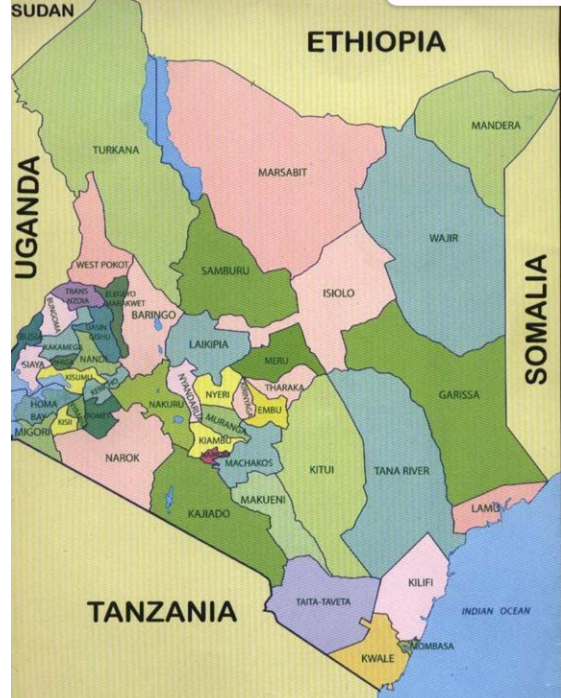
Prof. Bancy Mati is the convenor and manager of the SRI-Africa knowledge portal. She ensures that information, publications and happenings in the System of Rice Intensification (SRI) nexus in Africa is collated and uploaded on the website. Prof. Mati is credited with introducing SRI in Kenya in 2009. From humble beginnings, she worked diligently with […]

Spreading the system of rice intensification across East and Southern Africa

0 Comments

SRI is an innovative concept. This new system cannot be considered a “technique”. SRI is more of a philosophy based on good management of the rice plant, the soil and the water conditions. N. Uphoff describes SRI as “an innovation that encourages further innovation”. It is also an ongoing innovation. The system is not a […]

Overview of System of Rice Intensification (SRI) Around the World

0 Comments

During the past several decades, the System of Rice Intensification (SRI) has been validated in 65+ countries in Asia, Africa, and the Americas, with support from NGOs, government agencies, and the private sector. This presentation includes SRI updates from various regions and countries, insights into SRI networks, and a discussion of future trends and directions. […]

SYSTEM OF RICE INTENSIFICATION (SRI) IN MALI

0 Comments

Communities located along the Niger River have very little rainfall—averaging only 150 to 200 mm annually (averages in coastal countries in West Africa are about 1600 mm1 ). Moreover, high climatic variability can significantly raise or lower these levels. Because rice and other crop production depends primarily on the recessional floodwater of the Niger and […]