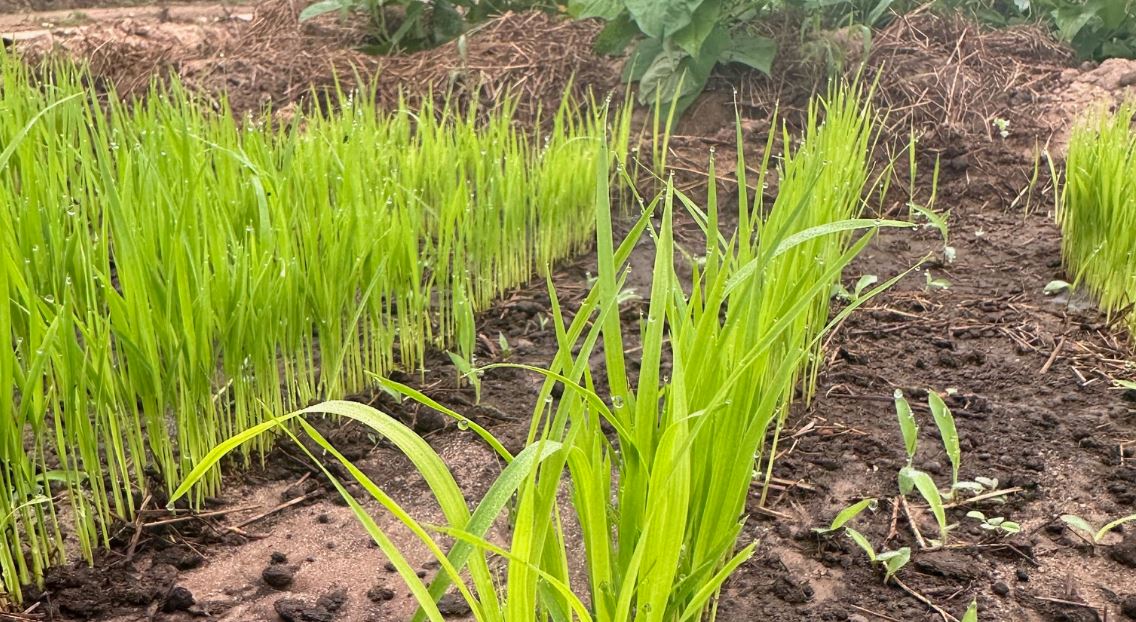
Rice Intensification System (SRI): Awareness and adoption in the Eastern Province of Rwanda
The System of Rice Intensification (SRI), originated from Madagascar is currently spreading all over the world as a special innovation to increase rice productivity by using fewer production inputs and consequently reducing production costs. In alignment with the Rwandan Government’s goal of achieving self-sufficiency in rice production, the SRI method was introduced in 2007 by […]
A New Book on “African Rice” Published
Introduction to the publication: Futakuchi K, Arouna A (eds) 2026. African Rice – The Under-Recognised Cultivated Rice Species and their Significance. Springer, Cham. pp. 268. DOI: 10.1007/978-3-032-22733-1. African rice (Oryza glarerrima Steud.), the other cultivated rice species than Asian rice (O. sativa L.), has various unique characteristics. But they have not been well recognized or […]
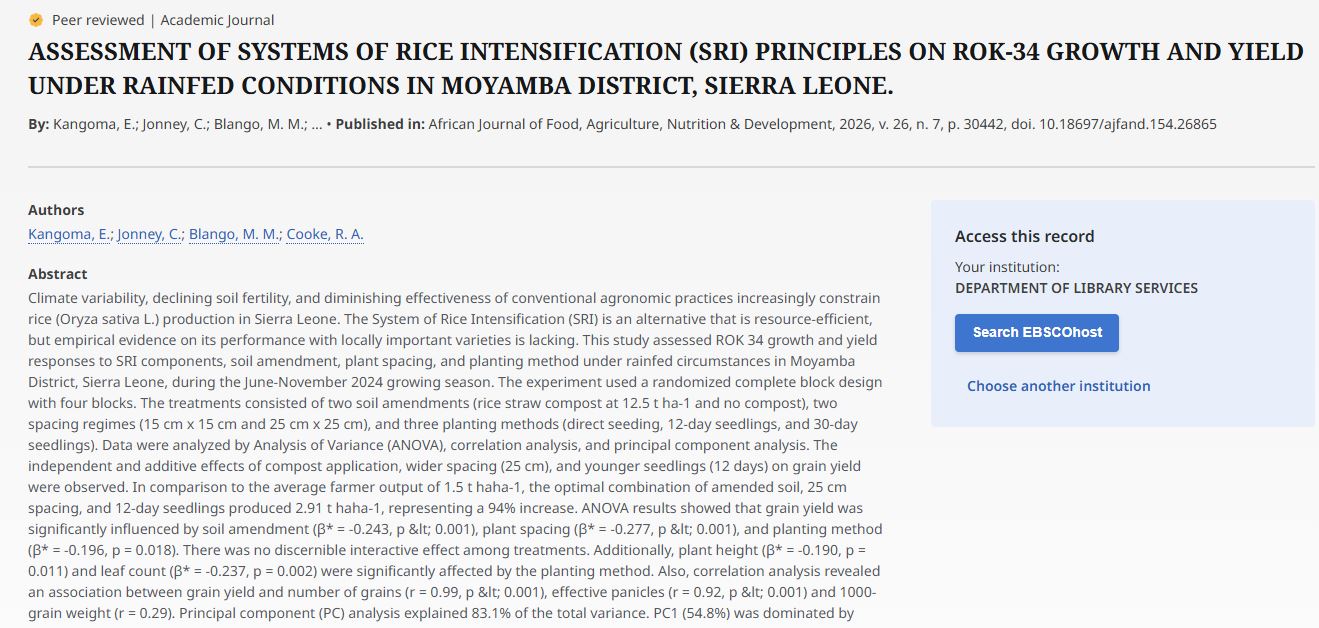
ASSESSMENT OF SYSTEMS OF RICE INTENSIFICATION (SRI) PRINCIPLES ON ROK-34 GROWTH AND YIELD UNDER RAINFED CONDITIONS IN MOYAMBA DISTRICT, SIERRA LEONE.
Climate variability, declining soil fertility, and diminishing effectiveness of conventional agronomic practices increasingly constrain rice (Oryza sativa L.) production in Sierra Leone. The System of Rice Intensification (SRI) is an alternative that is resource-efficient, but empirical evidence on its performance with locally important varieties is lacking. This study assessed ROK 34 growth and yield responses […]
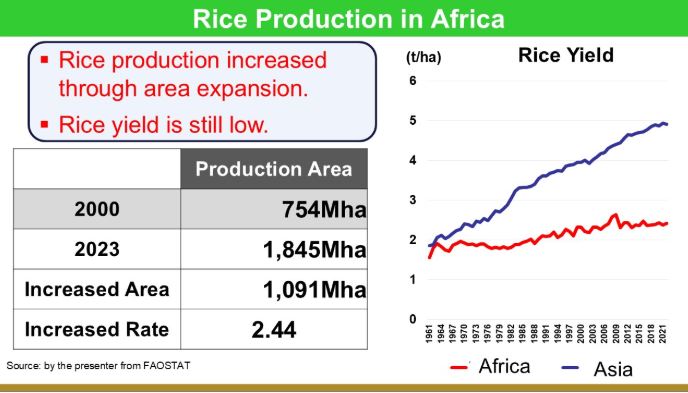
Sustainable rice production and future food security in Africa The necessity of joint efforts: Toward sustainable rice production and future food security in Africa
Food security is a longstanding challenge facing Africa. Food is indispensable for all, and food security is one of seven main categories of human security (UNDP 1994). Sustainable Development Goals (SDGs) Goal2 aims to target “By 2030, end hunger and ensure access by all people, in particular the poor and people in vulnerable situations, including […]
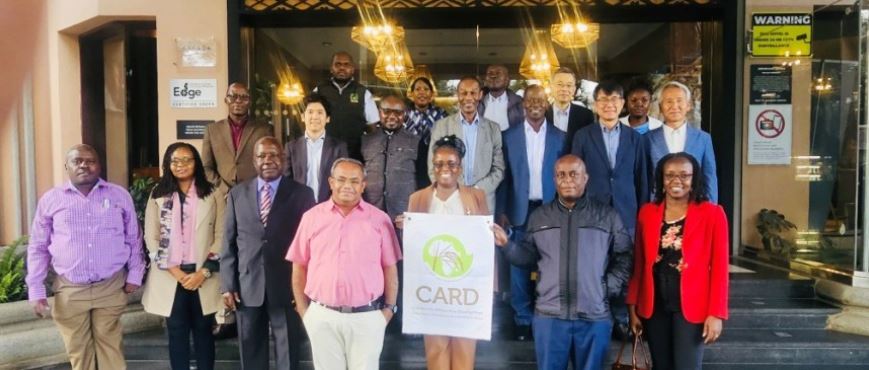
Kenya, August 2026 Workshop on Monitoring & Evaluation of NRDS-2 in Kenya
Rice is the second most important staple cereal, after maize. Second National Rice Development Strategy (NRDS-2) aims to increase milled production in Kenya from 128,000 tons in 2018 to 846,000 tons by 2030. Key strategies for achieving the target includes building resilience (R) in domestic production and supply, promoting industrialization (I) of value chain activities, […]
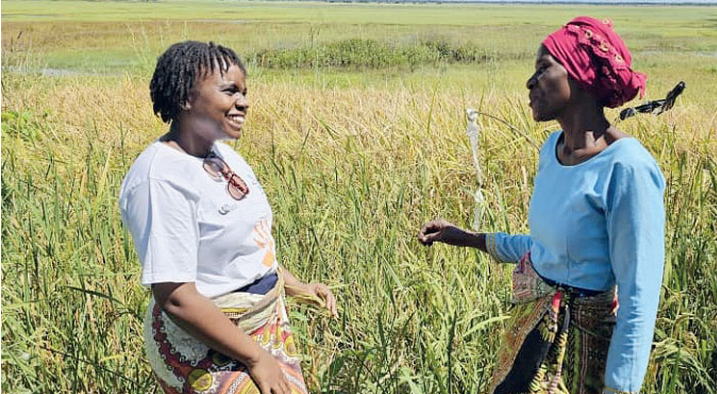
MALAWI: Rice Farming Techs Boost Productivity
Africa Institute of Corporate Citizenship has expressed satisfaction with the Resilient and Sustainable Livelihood Transformation (Result) project which has helped farmers to boost their production in rice value chain. The project seeks to implement interventions towards developing effective and just food systems and sustainable livelihoods through strengthening the rice multi-stakeholder partnerships with specific focus on […]
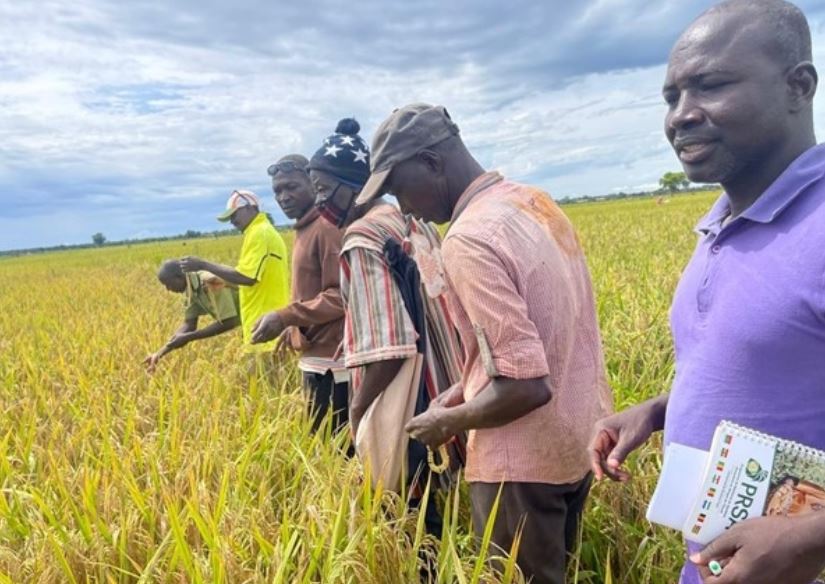
Hybrid rice in SRI to boost rice production in Senegal, Burkina Faso and Mali with support from CORAF through the FSRP
With climate change and declining yields undermining rice production in several regions of West Africa, CORAF is banking on a bold solution: the dissemination of hybrid irrigated rice varieties combined with the practice of the System of Rice Intensification (SRI). Commissioned by CORAF, the consortium formed by IER (Mali), INERA (Burkina Faso) and ISRA (Senegal) is implementing this […]
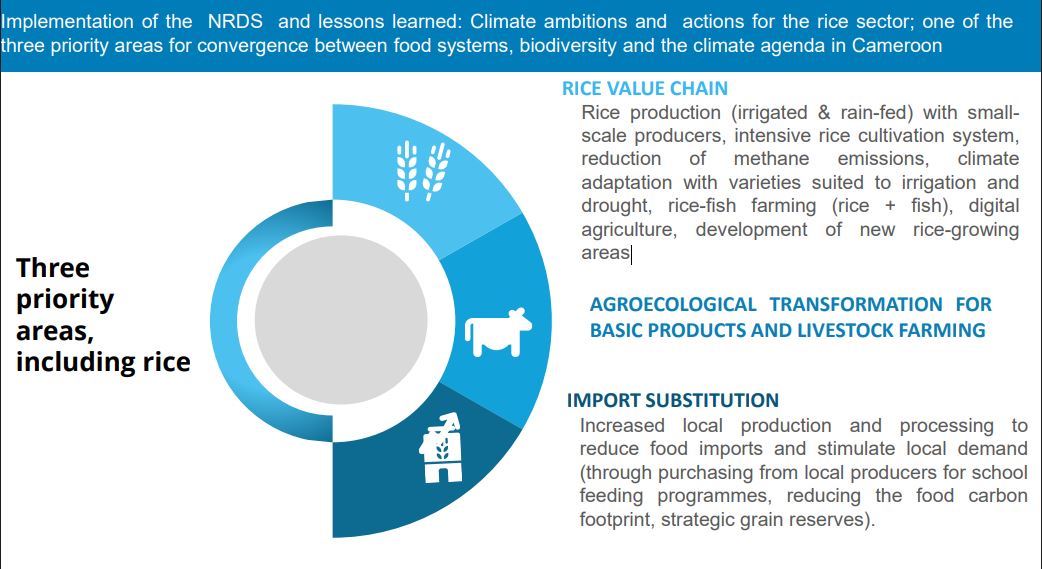
Cameroon: [presentation] mplementation of the NRDS and lessons learned: Climate ambitions and actions for the rice sector; one of the three priority areas for convergence between food systems, biodiversity and the climate agenda in Cameroon
RICE VALUE CHAIN Rice production (irrigated & rain-fed) with smallscale producers, intensive rice cultivation system, reduction of methane emissions, climate adaptation with varieties suited to irrigation and drought, rice-fish farming (rice + fish), digital agriculture, development of new rice-growing areas [view the presentation here: 5_Ag-3_5_CMR_EN_GM10_final] Cameroon has a national system for the annual evaluation of […]
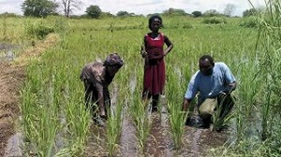
Opportunities for water saving with higher yield from the system of rice intensification
The system of rice intensification (SRI) developed in Madagascar, is showing that by changing the management of rice plants, soil, water and nutrients it can increase the yields of irrigated rice by 25–50% or more while reducing water requirements by an equivalent percent. This gives farmers incentive to reduce their irrigation water use when growing […]

WEST AFRICA: Using Earth Observation to Monitor Climate-Resilient Rice Production in West Africa
The European Space Agency GDA Climate Adaptation and Finance (CA&F) consortium is working with the Sahara and Sahel Observatory (OSS) to co-design an Earth Observatory (EO) demonstrator for RICOWAS, an Adaptation Fund-financed project working with around 125,000 farmers across 13 countries to scale climate-resilient rice production in West Africa by promoting the System of Rice Intensification (SRI). The […]
LIBERIA/NIGERIA: Liberia’s Rice Revolution: Experts Say a Proven Model Offers Hope to Break Dependence on Imports and Reduce Hunger
Liberia is slowly adopting what experts say is a proven rice farming method that could reduce its dependence on imports. The program known as “System of Rice Intensification” (SRI) has been used successfully in other countries to increase rice yields. Now a coalition of farmers, policymakers, and international partners plans to scale it up here. […]
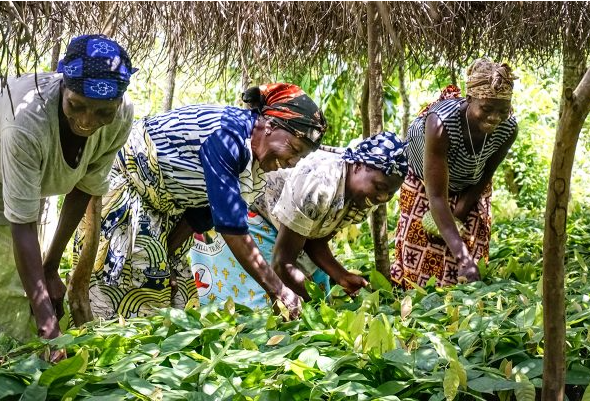
COTE D’IVOIRE Secures $50 Million Climate Finance Package to Support Smallholder Farmers
Côte d’Ivoire has secured a US$50 million climate finance package from the Green Climate Fund (GCF) to help thousands of smallholder farmers adapt to climate change and improve food crop resilience. The funding will support the Enhancing Sustainable Land Management and Climate-Resilient Agri-food Systems in Côte d’Ivoire (LARACI) project to promote climate-smart practices, including cassava-legume […]