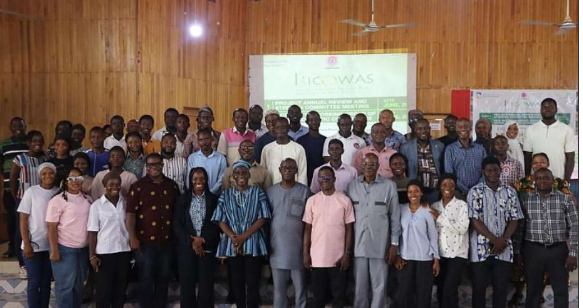
GHANA: Project Stakeholders Hold Annual Review, Steering Committee Meeting
The Scaling-up Climate Resilient Rice Production in West Africa (RICOWAS) project has held its Annual Review and Steering Committee meeting in Nyankpala, Ghana, in early July. During 2025, 3,700 farmers were trained in System of Rice Intensification (SRI) methods and 84 SRI demo plots carried out in RICOWAS project.The project is being carried out by […]
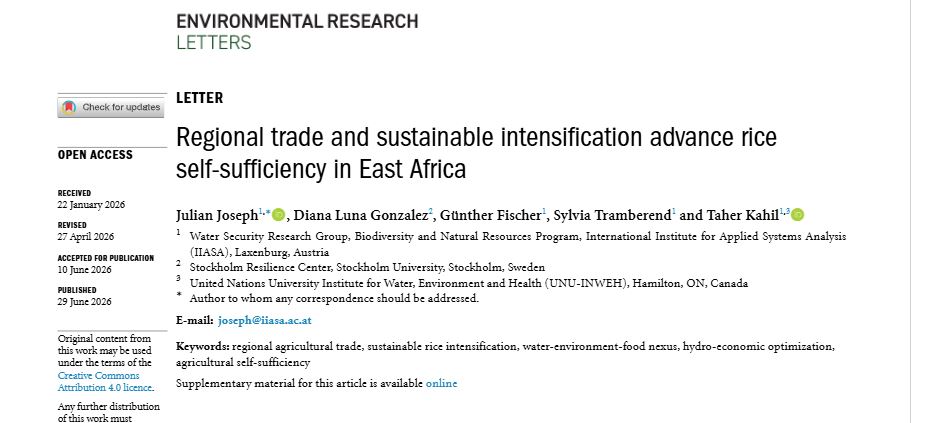
Regional trade and sustainable intensification advance rice self-sufficiency in East Africa
Many global regions, including East Africa, implement policy goals advocating increased agricultural self-sufficiency to promote economic development and food security. Required increases in production can, however, negatively impact the environment. We assessed upscaling sustainable rice intensification in East Africa, comparing regional trade and environmental policy scenarios using a novel hydro-economic modeling framework that optimizes farmer […]
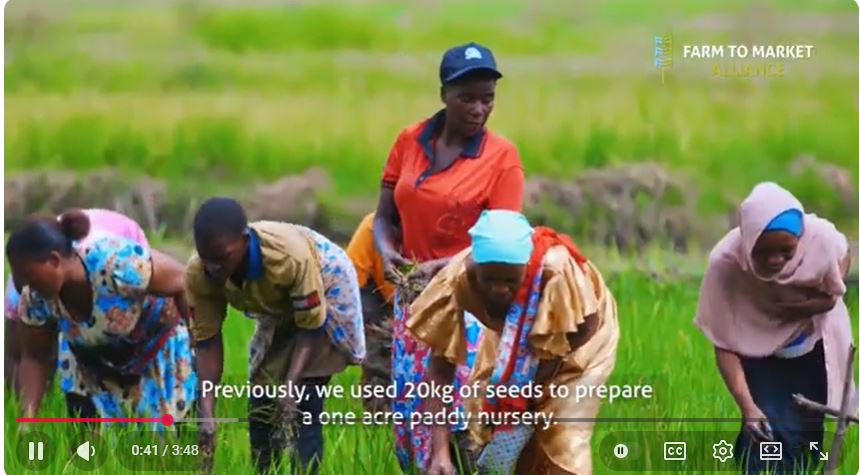
Transforming Rice Production through SRI in Tanzania
Farmers at the SISU Irrigation Scheme in Ifakara, Tanzania are achieving major improvements in rice production after hands‑on training on the System of Rice Intensification (SRI), locally known as kitalu mkeka, delivered through FtMA. Previously, farmers used 20 to 30 kg of paddy seeds to plant an acre, driving up production costs and resulting in […]
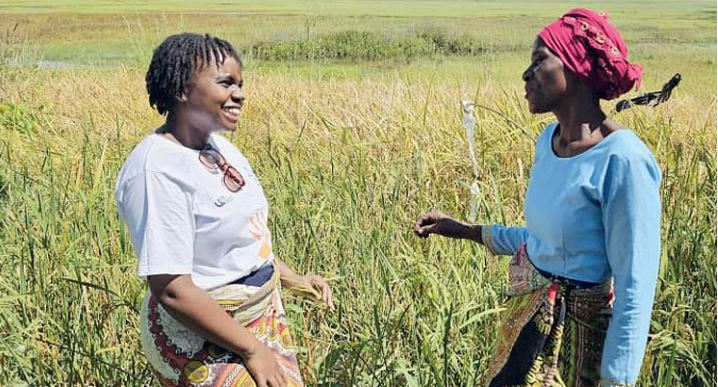
MALAWI: Rice Farming Techs Boost Productivity
Africa Institute of Corporate Citizenship has expressed satisfaction with the Resilient and Sustainable Livelihood Transformation (Result) project which has helped farmers to boost their production in rice value chain in Malawi. The project seeks to develop effective, just food systems and sustainable livelihoods through strengthening the rice multi-stakeholder partnerships with specific focus on women and […]
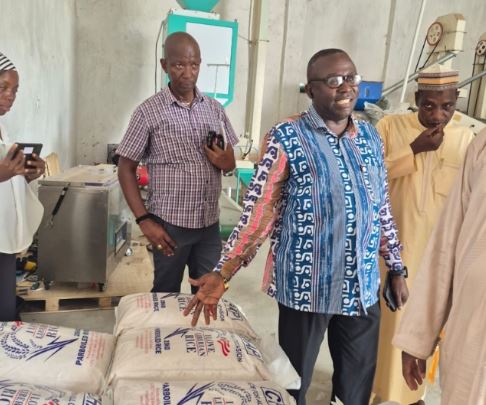
Liberia’s Rice Revolution: Experts Say A Proven Model Offers Hope to Break Dependence on Imports and Reduce Hunger
A field of rice grows as part of the Rice Intensification program. Photo credit: CHAP Facebook page Summary As the Boakai administration drives a major push to lift rice production and reduce vulnerability to price hikes, experts say a new rice growing system could sharply boost yields, cut import dependence and offer a path toward […]
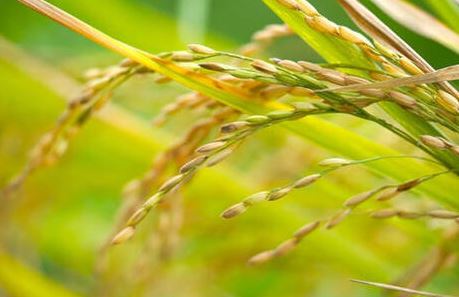
CHILE: Variedad de Arroz Chileno Promueve el Ahorro de Agua y Sostenibilidad en el Centro Sur
Productores de Ñuble y Maule conocieron Jaspe FL INIA, variedad que por primera vez está disponible para las siembras de la próxima temporada. Generada por el Instituto de Investigaciones Agropecuarias —entidad vinculada al Ministerio de Agricultura— la nueva variedad se caracteriza por ser de ciclo corto, con altos rendimientos, y por disminuir a la mitad las emisiones de […]

AFRICA: SRI Certification Underway in Liberia, Madagascar, Nigeria and Zambia
Governments and their partners across four countries on the African continent are hosting SRI-2030‘s SRI Certification, launched in April 2026. With four levels from Foundation to Master Trainer – each requiring verified evidence of SRI knowledge and practice – the scheme is designed to build lasting knowledge, awareness, and practice within national systems, creating a cadre […]
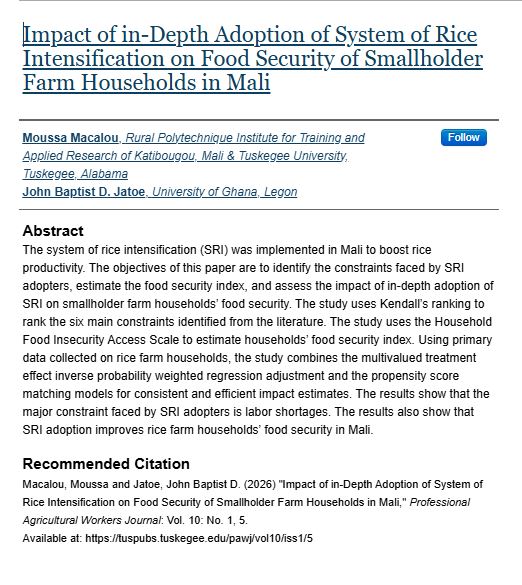
Impact of in-Depth Adoption of System of Rice Intensification on Food Security of Smallholder Farm Households in Mali
Moussa Macalou, Rural Polytechnique Institute for Training and Applied Research of Katibougou, Mali & Tuskegee University, Tuskegee, AlabamaFollow John Baptist D. Jatoe, University of Ghana, Legon Abstract The system of rice intensification (SRI) was implemented in Mali to boost rice productivity. The objectives of this paper are to identify the constraints faced by SRI adopters, estimate the […]
Agencies Working with SRI in Zambia Increase during 2025-2026
A growing number of NGOs and government agencies have been experimenting with and promoting SRI methods throughout Zambia. Henry Ngimbu, SRI-2030 consultant, and Francesco Zampaolo, SRI-2030 Program Director, are assisting the Zambia Agriculture Research Institute to carry out SRI trials at their stations in Mongu, Mansa and Mount Makulu, which are followed by training of […]
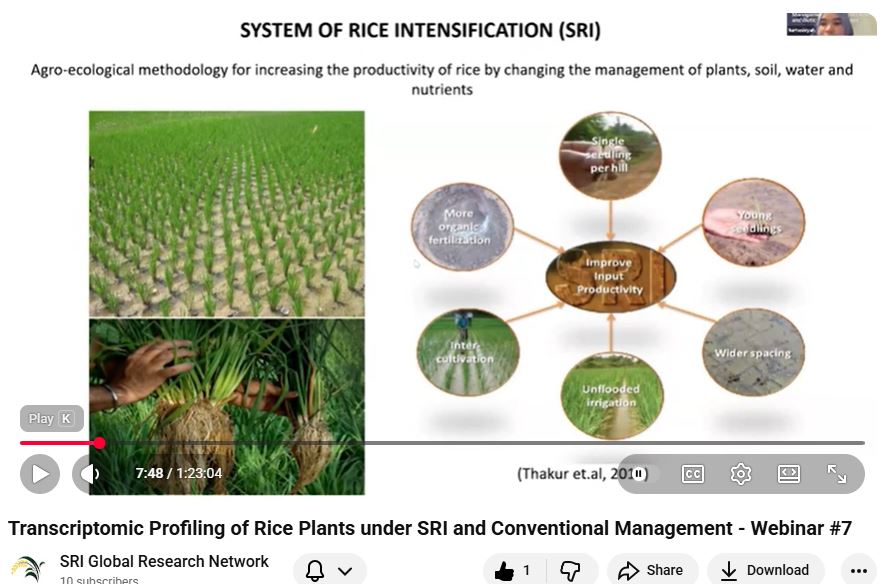
Transcriptomic Profiling of Rice Plants under SRI and Conventional Management – Webinar #7
[see recorded webinar video] The theme of the fifth webinar was “Transcriptomic Profiling of Rice Plants under SRI and Conventional Management: Insights into Abiotic and Biotic Stress Pathways” Date and Time: Monday, 20 April 2026 07.00 – 08.30 New York, US (GMT-4) Speaker: Nurtasbiyah Yusof (Meiji University, Japan) Moderator: Dedat Prismantoro (Padjadjaran University, Indonesia) SRI-research.org
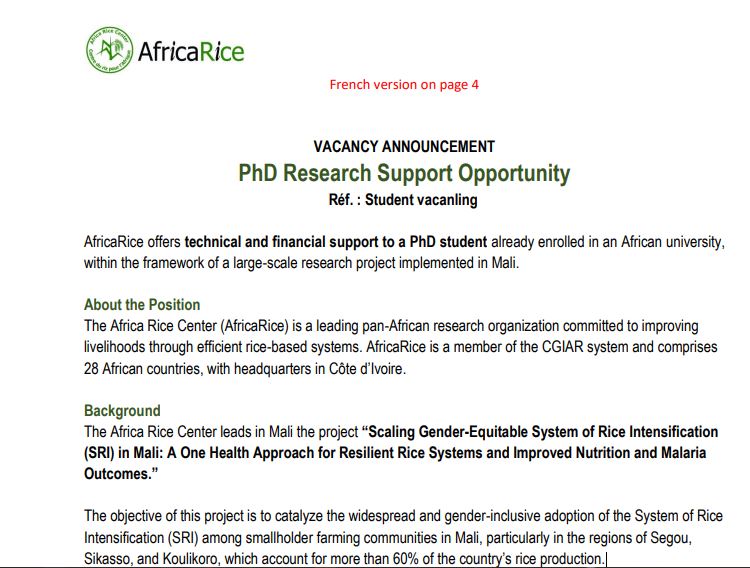
VACANCY ANNOUNCEMENT PhD Research Support Opportunity Réf. : Student vacanling
[see full application here: https://vacancies.africarice.org/storage/documents/1f96QWoaXnHPbkWsm4nYBv7KGZSB53kLsmJEhShT.pdf ] VACANCY ANNOUNCEMENT AfricaRice offers technical and financial support to a PhD student already enrolled in an African university, within the framework of a large-scale research project implemented in Mali. About the Position The Africa Rice Center (AfricaRice) is a leading pan-African research organization committed to improving livelihoods through efficient rice-based […]
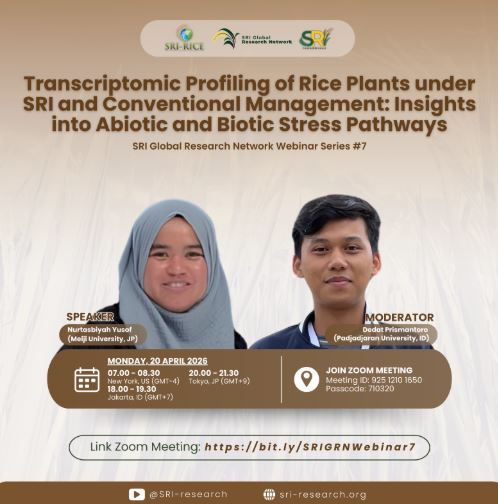
Event: Transcriptomic Profiling of Rice Plants under SRI and conventional Management: insights into Abiotic and Biotic stress Pathways.
Join us for an insightful session exploring the molecular basis of the System of Rice Intensification (SRI). This webinar will present recent transcriptomic research comparing rice plants under SRI vs. conventional management, with a focus on how these practices influence gene expression related to abiotic and biotic stress pathways. Topic: Transcriptomic Profiling of Rice Plants under […]