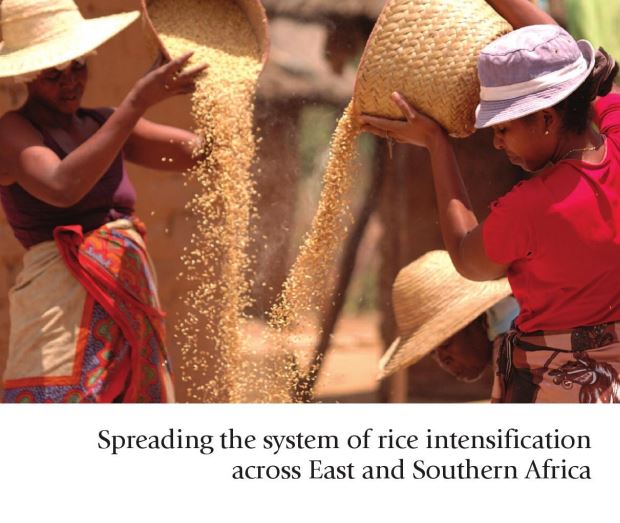
Spreading the system of rice intensification across East and Southern Africa
SRI is an innovative concept. This new system cannot be considered a “technique”. SRI is more of a philosophy based on good management of the rice plant, the soil and the water conditions. N. Uphoff describes SRI as “an innovation that encourages further innovation”. It is also an ongoing innovation. The system is not a […]

Overview of System of Rice Intensification (SRI) Around the World
During the past several decades, the System of Rice Intensification (SRI) has been validated in 65+ countries in Asia, Africa, and the Americas, with support from NGOs, government agencies, and the private sector. This presentation includes SRI updates from various regions and countries, insights into SRI networks, and a discussion of future trends and directions. […]
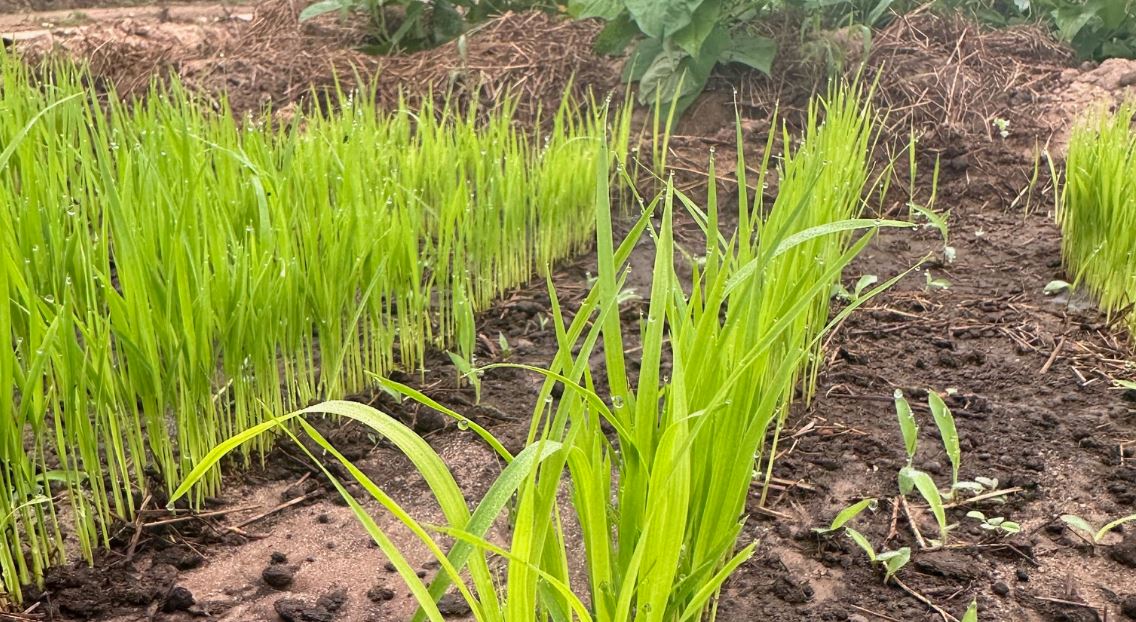
SYSTEM OF RICE INTENSIFICATION (SRI) IN MALI
Communities located along the Niger River have very little rainfall—averaging only 150 to 200 mm annually (averages in coastal countries in West Africa are about 1600 mm1 ). Moreover, high climatic variability can significantly raise or lower these levels. Because rice and other crop production depends primarily on the recessional floodwater of the Niger and […]
System of Rice Intensification: Impacts on Crop Productivity and Saving Water in Africa
The System of Rice Intensification (SRI) is a package of practices that changes how rice is grown in paddies, which incredibly increases yields. Rather than fully flooded paddy systems, SRI involves among its practices, the alternate wetting and drying of paddies which saves water, use of less seeds, wider crop spacing, transplanting one seedling per […]

SYSTEM OF RICE INTENSIFICATION (SRI): GROWING MORE WITH LESS WATER Promoting the Adoption of SRI in Kenya
KENYANS WANT MORE RICE The demand for rice in Kenya continues soar as more Kenyans show progressive changes in their eating habits, coupled with urbanization. Rice is currently the third most important cereal crop after maize and wheat. The national rice consumption is estimated at 300,000 metric tons compared to an annual production range of […]
Re-Use, Reduce and Re-Cycle Rice Residues for Climate Smart Agriculture and Soil health in Rice farming systems in East Africa
In East Africa, rice farming faces various challenges mainly low soil fertility and environmental hazard due to low decomposition into compost and poor disposal of husks. Anaerobic conditions created under paddy rice systems cause poor decomposing rice straw residues, resulting in the emission of methane (Greenhouse gases-GHG). Excessive use of N-fertilizers leads to nitrous oxide emissions […]

Water management for rice production: a key component of food security in East Africa
Water is a valuable resource for rice production, which is an integral component of food security in East Africa (EA). Rice farming is expanding in the region, with up to 90% produced on smallholder farms using traditional flooding and rainfed methods, vulnerable to climate change and variability. Despite EA’s enormous agricultural and crop potential, the […]

Sustainable Rice Farming in Tanzania: More Yield, Less Inputs! [Youtube Video]
Discover how Tanzanian farmers are boosting rice production despite climate change using System of Rice Intensification (SRI)! Learn key practices like young seedlings, reduced water use, less fertilizers, and smart spacing to grow more rice with fewer resources.

Hybrid rice in SRI to boost rice production in Senegal, Burkina Faso and Mali with support from CORAF through the FSRP
With climate change and declining yields undermining rice production in several regions of West Africa, CORAF is banking on a bold solution: the dissemination of hybrid irrigated rice varieties combined with the practice of the System of Rice Intensification (SRI). Commissioned by CORAF, the consortium formed by IER (Mali), INERA (Burkina Faso) and ISRA (Senegal) […]

Comprehensive review of the system of rice intensification to enhance productivity and environmental sustainability in major rice-producing countries
Context The System of Rice Intensification (SRI) is a sustainable rice cultivation method designed to enhance productivity while minimizing resource inputs. It addresses global food security and environmental challenges by improving yield, reducing water use, and mitigating greenhouse gas emissions, particularly in resource-constrained agricultural systems. Objective This review aims to evaluate the core principles of […]
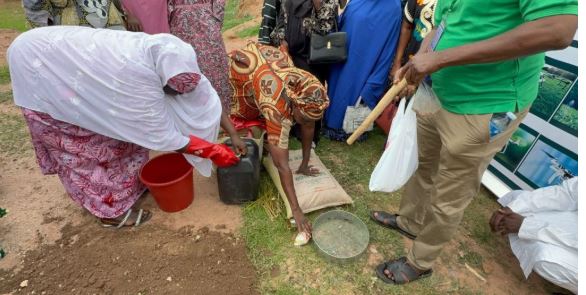
[SRI project in Nigeria] Scaling Climate-Smart Rice Farming with SRI: Green Pillars and WOFAN Leading the Way
Green Pillars, in partnership with WOFAN, is advancing a transformative initiative to expand the adoption of the System of Rice Intensification (SRI) across Nigeria’s leading rice-producing communities. SRI is a proven, climate-resilient approach that enhances yields, conserves water, and significantly reduces greenhouse gas emissions, while boosting farmer incomes. This collaborative effort aims to equip thousands […]

Mali Set to Raise Rice Production to 2.96mln Tons in 2025/26
• USDA forecasts 8% increase in paddy rice output, reaching 2.96 million tons • Cultivated area projected to expand 8% to 850,000 hectares • Improved climate, reduced pest pressure, and policy support drive optimism In Mali, rice is the second most consumed grain after maize. Despite ongoing climatic uncertainties and security challenges, the country continues […]