System of Rice Intensification: Impacts on Crop Productivity and Saving Water in Africa
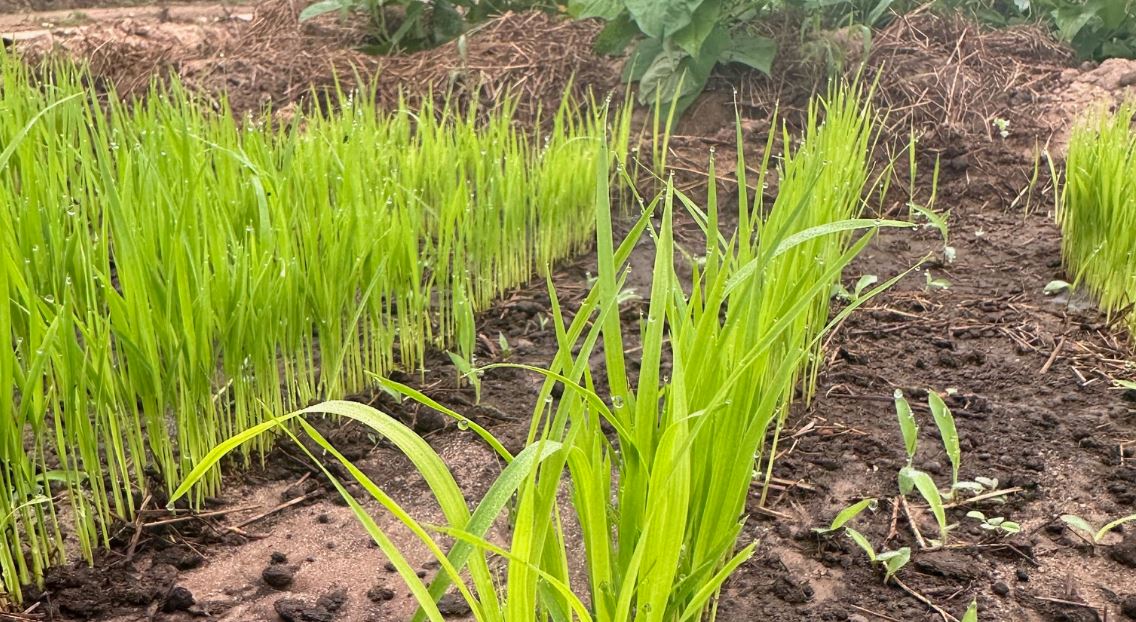
The System of Rice Intensification (SRI) is a package of practices that changes how rice is grown in paddies, which
incredibly increases yields. Rather than fully flooded paddy systems, SRI involves among its practices, the alternate
wetting and drying of paddies which saves water, use of less seeds, wider crop spacing, transplanting one seedling per
hill and use of organic fertilizers, all of which result in a sturdier rice plant. Other benefits include better grain quality,
healthier work environments through reduced water-borne disease vectors and as a climate-smart practice. Data from
several African counties shows that SRI increases rice yields by between 20% to 80% depending on variety and local
conditions, saves water by about 39% and reduces seed requirement by 66%. SRI has been adopted by millions of
farmers worldwide, while within Africa, some 25 countries are documented to have adopted SRI. This paper presents
the opportunities inherent in enhancing and promoting SRI adoption of the in Africa. To facilitate this, the SRI-Africa
knowledge portal was launched in 2018. The portal collates and shares data, information, publications and happenings
in SRI from African counties, thus facilitating promotion of SRI in Africa and worldwide (visit https://sri-africa.net/)
Read More: https://sarr.co.in/wp-content/uploads/System-of-Rice-Intensification-Impacts-on-Crop-Productivity-and.pdf