Smart farming is Africa’s best hope in a broken climate

Suddenly, there were daisies across the hills. Yellow, orange and purple. The grass turned green and thick. Butterflies filled the sky. Cattle grazed slowly while the sun warmed the soil. The air smelled alive.
It was beautiful, and we never thought it would end. But it has ended. That land is dead now. There are no flowers. No butterflies. No spring. Only dust.
My children have never seen what I once took for granted. They don’t know the magic of a field in bloom. They know the wind blowing hot dust into their eyes.
The scourge of fertiliser
The seasons are broken. The weather makes no sense. It snows in September. It floods in December. There are droughts when we need rain, and storms when we need sun. This is what climate change looks like when you live in rural Africa.
We have land. We have sun. We have the people. What we lack is belief – and access to the right information
It’s not a future problem. It’s here. Right now, and it’s killing the land we depend on. It’s not just the climate. Our farming practices are also destroying the land.
We’ve been told for years that using fertilisers would increase our harvests. We were told we’d grow more and feed more. That turned out to be a lie.
Fertilisers damage the soil. They destroy the natural balance of life underground. They poison our rivers. They wipe out the insects and worms that keep the land healthy, and worst of all, they are expensive. Too expensive.
Just planting maize on one hectare of land now costs around R7,500 ($400). Most families living on communal land simply cannot afford that. The land lies empty. Unused. Dead. While children go hungry. But this does not have to be our future.
A simple change
Across the continent, ordinary people are farming smarter. They’re growing more food for less money — while healing the soil and protecting the environment.
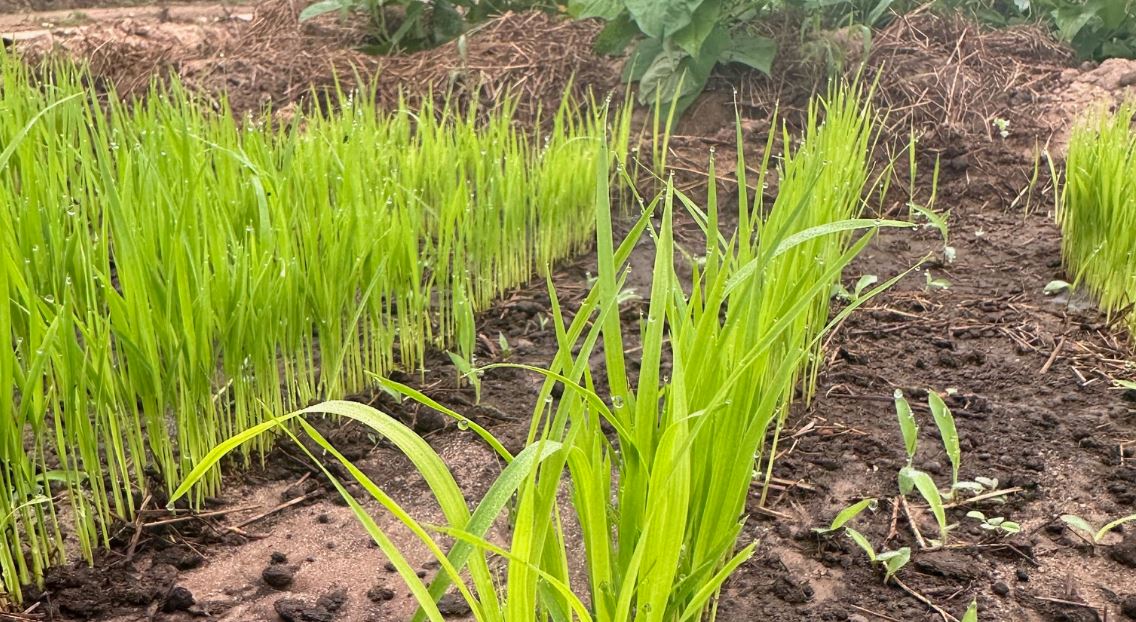
It’s called organic or climate-smart farming. One of the most successful examples is a method known as the System of Rice Intensification, or SRI.
SRI is not a new technology. It’s not some fancy science. It’s a simple change in how we plant, water and care for crops. It’s changing lives.
Take Nigeria, for example. The population is growing fast. More people are moving to cities. There’s not enough rice to go around. The government poured money into fertilisers and commercial seeds, but it didn’t work. It was too expensive. It didn’t increase production. Farmers stayed poor.
Fertilisers damage the soil. They destroy the natural balance of life underground. They poison our rivers. They wipe out the insects and worms that keep the land healthy, and worst of all, they are expensive. Too expensive.
Just planting maize on one hectare of land now costs around R7,500 ($400). Most families living on communal land simply cannot afford that. The land lies empty. Unused. Dead. While children go hungry. But this does not have to be our future.
A simple change
Across the continent, ordinary people are farming smarter. They’re growing more food for less money — while healing the soil and protecting the environment.
It’s called organic or climate-smart farming. One of the most successful examples is a method known as the System of Rice Intensification, or SRI.
SRI is not a new technology. It’s not some fancy science. It’s a simple change in how we plant, water and care for crops. It’s changing lives.
Take Nigeria, for example. The population is growing fast. More people are moving to cities. There’s not enough rice to go around. The government poured money into fertilisers and commercial seeds, but it didn’t work. It was too expensive. It didn’t increase production. Farmers stayed poor.
Article Source: https://www.theafricareport.com/392234/smart-farming-is-africas-best-hope-in-a-broken-climate/